Blog › AI Video Marketing
AI Video Marketing for Real Estate Agents
Carmella Thompson · Oct 22, 2026 · 7 min read
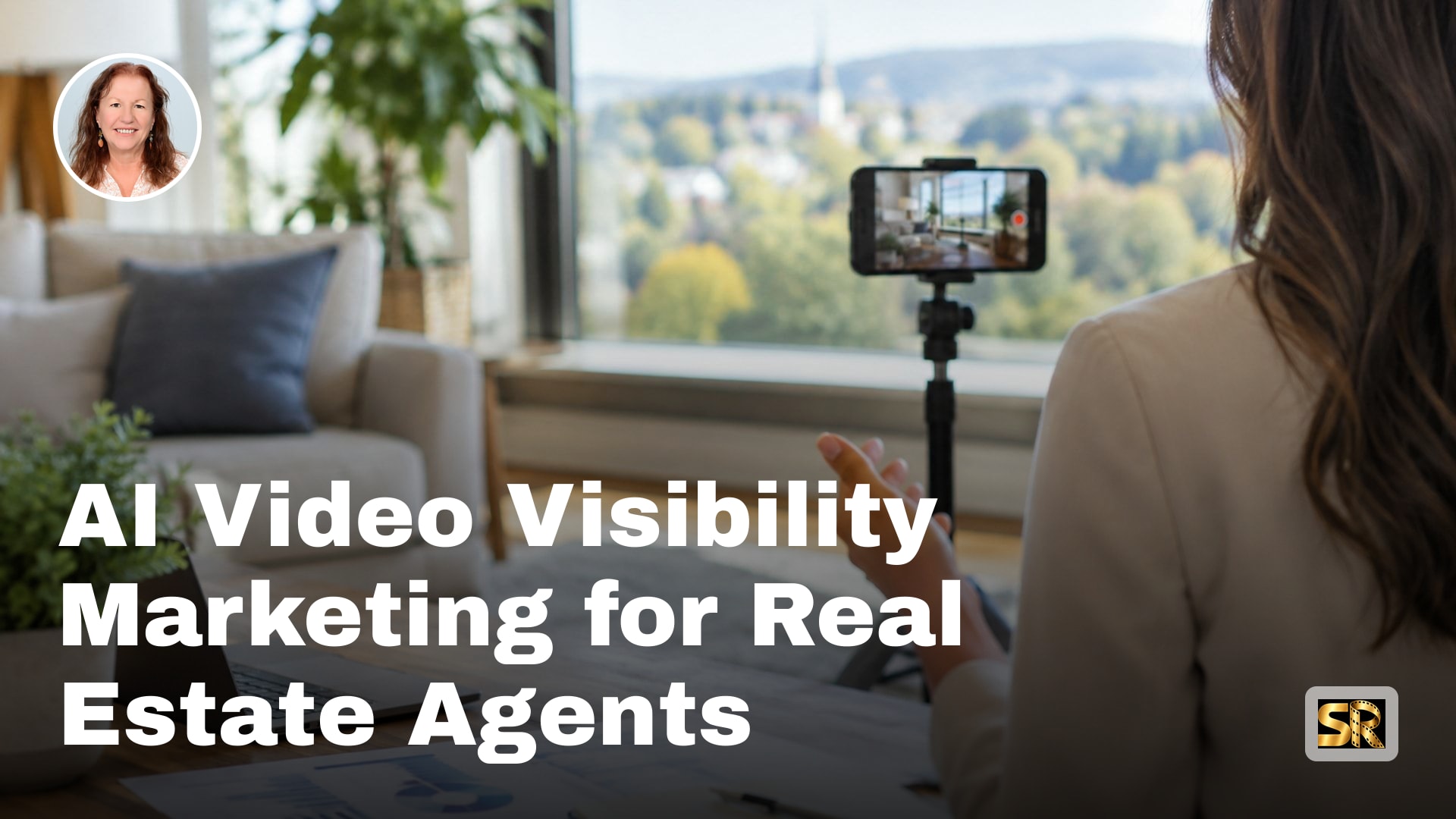
Real estate video and blog marketing is becoming a practical growth tool for agents. An AI video and blog content platform like sparkreels.ai can help agents turn listing descriptions, market updates, and blogs into finished social content and autopost to all their social platforms. The goal is not to replace an agent’s judgment or relationships. It is to reduce the time required to stay consistent and be visible across the channels where clients research homes and choose professionals. For agents balancing transactions, clients, family, and business development, consistent video or blogs can feel like a second job. A more efficient workflow can make that consistency realistic. The first 100 founding beta members at www.sparkreels.ai will be able to create 1 free video and blog to test a platform designed specifically for real estate work rather than generic content creation.
Why does video marketing matter for real estate agents?
Video marketing matters because buyers and sellers increasingly encounter real estate professionals online before they ever schedule a conversation. The geographic variety gives agents many useful subjects, but it also creates pressure to publish consistently.
An agent may need to explain pricing in one municipality, describe a listing in another, and answer a buyer question about commuting, taxes, inspections, or financing. Each topic can become a short video, blog section, caption, or email. The challenge is not always knowing what to say. The challenge is turning that knowledge into finished content repeatedly.
NAR’s 2026 technology report found that 23 percent of Realtors use AI daily and 25 percent use it weekly. The same report found that 56 percent of AI users create social media posts with AI, while 75 percent use it for listing descriptions. These figures show that content production is already a leading practical use of AI among real estate professionals.
What makes real estate content difficult to produce consistently?
Real estate content is difficult because every useful piece requires several separate tasks. An agent has to select a topic, write or record it, edit the video, add captions, create a description, publish it, and often adapt it for several platforms. Those steps can consume hours that would otherwise go toward clients, showings, negotiations, and follow-up.
The problem is especially visible where local content benefits from specificity. A market update about one town should not sound like another one. A listing video should accurately describe the home, its location, nearby transportation, and relevant property features. A countywide message may need a different structure from a neighborhood-level update.
Agents also face the emotional burden of staying visible. Questions such as “Am I already behind?” and “What if everyone else figures this out before I do?” can make content creation feel urgent without making it easier. A complicated workflow often leads to inconsistent publishing, even when the agent understands that video can build familiarity and trust.
How can AI turn one real estate idea into multiple pieces of content?
AI can help an agent transform one source idea into several formats. An agent can speak a listing description, market update, or blog concept and use that material as the foundation for a finished video, social caption, article, or email.
For example, an agent could explain how inventory is changing, describe the difference between pricing a townhouse and a detached home, or introduce a buyer preparation checklist. The same approved message could become a short video for social media, a longer article for search, and a follow-up email for clients.
The most useful workflow begins with the agent’s own expertise. AI can organize, shorten, reformat, caption, and distribute content, but it should not replace fact-checking or professional judgment. Property details, prices, dates, market statistics, and claims about local amenities should be reviewed before publication.
This approach also supports AEO, GEO, and SEO goals. Clear sentences that name specific municipalities, real figures, and relevant property topics are easier for search engines and AI assistants to understand. The content remains useful because it answers real questions rather than simply repeating generic marketing language.
What time can real estate agents save with an integrated content workflow?
The exact time saved depends on the agent’s process, approval steps, and publishing schedule, so no universal hour figure applies. The practical benefit comes from reducing the number of separate tools and repeated tasks required to publish one idea.
Without an integrated workflow, an agent may write a script in one application, record in another, edit in a third, create captions separately, and manually adapt the content for different platforms. That process creates friction. Even a short video can require planning, trimming, formatting, captioning, thumbnail creation, and distribution.
A platform designed for real estate agents can bring those steps closer together. The agent supplies the knowledge and approves the result. The system helps convert that material into finished content. This is particularly useful for agents serving a many areas where consistent local education can cover market updates, listings, buyer questions, seller preparation, and community amenities.
NAR’s 2026 report identified saving time as the leading reason agents adopt technology, cited by 81 percent of respondents. That finding supports a simple business test: technology should remove repetitive production work while preserving the agent’s voice, accuracy, and control.
What should agents check before publishing AI-generated real estate videos?
Agents should verify every factual claim, property detail, market figure, date, and statement about local services before publishing an AI-generated video. Accuracy matters because a polished video can still contain an incorrect price, outdated inventory figure, or unsupported claim.
Fair housing compliance also matters. Content should describe objective property and location facts, such as home features, taxes, transportation, parks, commercial areas, and publicly published market data. It should not describe who lives in a neighborhood, suggest that one area is better for a particular type of person, or use coded language about community character.
Agents should also review whether the finished video sounds like them. AI can make production faster, but an agent’s local knowledge, professional experience, and personal judgment remain central. The final content should be conversational, useful, and transparent about any material use of synthetic voices, avatars, or altered media when required by applicable rules or platform policies.
The strongest workflow is therefore collaborative. The agent chooses the subject, supplies accurate source material, reviews the output, and decides whether the final content represents the business appropriately. The platform handles repetitive production tasks, not responsibility.
Frequently Asked Questions
Is AI video marketing useful for real estate agents?
AI video marketing can help real estate agents turn listing descriptions, market updates, and educational topics into consistent content. NAR’s 2026 technology report found that 56 percent of AI-using Realtors create social media posts with AI. Agents still need to review facts, approve the message, and maintain a recognizable professional voice.
How can a real estate agent create videos without editing skills?
A real estate agent can create videos by speaking a listing description, market update, or blog idea into a platform that converts the source material into a finished video or blog. The agent should review property details, captions, visuals, and claims before publishing. This workflow reduces manual editing without removing professional oversight.
What types of real estate videos should agents make?
Real Estate agents can create listing videos, market updates, buyer education, seller preparation, municipal comparisons based on objective data, and explanations of local property features. Topics can reference places when the content is factually specific to those locations.
How much does AI video marketing cost for a real estate agent?
The supplied platform information does not provide a subscription price for real estate agents. The available offer is an opening group of 100 founding beta members. Agents should ask Carmella Thompson for current beta terms, included features, review requirements, and any charges before joining.
Can AI create listing videos for homes?
AI can help create listing videos for homes from an agent’s spoken or written listing description. The agent must verify the home’s address, price, dimensions, features, availability, and imagery before publication. AI should organize and produce the content, while the agent remains responsible for accuracy and compliance. It can also send video emails for seller updates.
Does AI replace a real estate agent’s personal brand?
AI does not replace a real estate agent’s personal brand because local judgment, client relationships, and accountability remain human responsibilities. AI can assist with writing, editing, captions, and distribution. The agent’s expertise should shape the source material, approve the final version, and ensure the content reflects the business accurately.
Real estate agents do not need more pressure to become full-time video producers. They need a workflow that turns the knowledge they already have into useful, accurate, consistent content. Sparkreels.ai can help transform a listing description, market update, or blog into videos and social posts, while the agent retains control over facts, voice, and final approval. The next step is to learn whether the founding beta program fits your business. Contact Carmella Thompson to discuss joining the first 100 members at www.sparkreels.ai or email at support@sparkreels.ai
Made with the SparkReels AI blog writer.